Crying on my keyboard (the messy, joyful reality of chasing dreams and getting published)

So many tears…
I thought tears were a warning sign, maybe that I was losing it, that I wasn’t cut out for this, that it was time to quit.
I’ve cried so many times on this long writing road.
When I didn’t know what I was doing.
When I couldn’t get a scene to work.
When I felt guilty for indulging in my dream.
When the rejections arrived, one after another.
When I was told to shelve the book and start something else.
When my edits overwhelmed me.
When I received my first 1-star (mean as hell) review!
But also …
When I was longlisted the Richell Prize.
When I signed with an agent (then more tears later when I parted with that agent).
When I signed a two-book publishing deal.
When I signed with another agent.
When my book hit shelves seven years from the first time I tapped on the keyboard.
When a reader emailed to tell me how much they enjoyed my book.
When my book was chosen as an ‘Apple Book of the Month’.
The tears never really stopped. They just changed shape.
Why the tears come
The thing about chasing a dream—whether it’s writing, building a business, running a marathon, or changing your life—is that tears are inevitable. They’re not only about pain, for me, they’re about release.
You don’t cry over things that don’t matter. The nights I dropped tears on my keyboard were proof I was in the thick of something I cared about, proof that I hadn’t given up yet.
I thought tears were a warning sign, maybe that I was losing it, that I wasn’t cut out for this, that it was time to quit. But now I see they were the opposite. They meant I was pushing into territory that mattered.
What I wish I’d known
If I could go back and talk to myself seven years ago, when the dream of a novel was just an idea scribbled in a notebook, I’d tell her three things.
1. Joy and devastation often arrive together
I thought milestones would feel like clean wins. You get the prize, the agent, the deal. Instead, every achievement carried shadows. My longlisting on the Richell Prize didn’t erase the sting of years of rejection, but it did make me think the hard slog was worth it. Signing a book deal didn’t quieten my fear that I’d fail to deliver, but it did make me feel like the tears were for something. Triumph and grief coexisted, and that was normal.
2. You will feel guilty for wanting what you want
For years, guilt weighed heavier than rejection (and then the rejections added to the guilt!). Who was I to pour hours into a dream when there were bills, kids, work, responsibilities? I thought the dream was indulgent. But guilt is the tax you pay for caring about something deeply. It means you’re daring to want more than the ordinary. It’s also a privilege. Most creatives can’t afford to devote themselves to an unpaid project, and committing to any passion alongside survival is not a path everyone can take.
3. Success doesn’t end the tears, it reshapes them
I imagined that once I signed a book deal, the crying would stop. That I’d finally “arrived”. But the truth is, success only brought new tears. The pressure to deliver, the fear of disappointing, the unknowns of the next stage. The difference was that I no longer mistook tears for failure. By then I understood that tears meant movement.
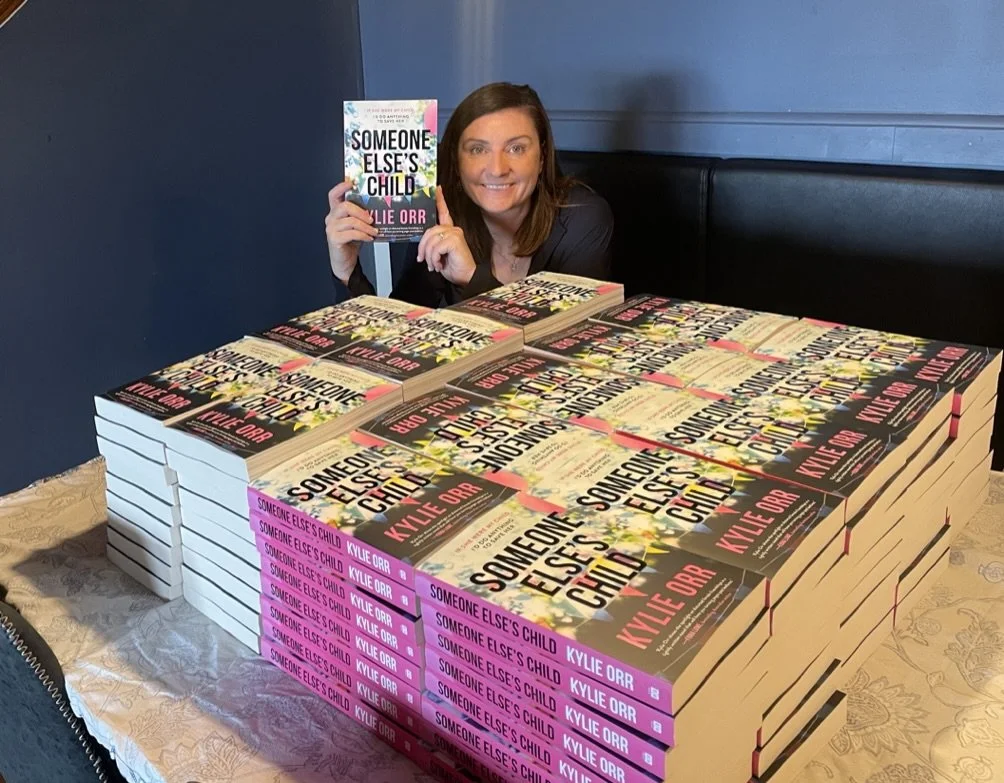
Tears of joy!
Crying is universal
Even if you’re not a writer, maybe this sounds familiar. Have you cried over a project you love, a job you’re chasing, a relationship you’re fighting for, or a goal that feels just out of reach?
Society and (yes, you know I’m going to drop it!) the patriarchy in particular, has a lot to say about crying and ambition, especially for women and marginalised people. We’re told to be strong and stoic, to prioritise others, to shrink our desires so they don’t make anyone uncomfortable. But tears are rarely a sign of weakness. They’re a sign of devotion. They mean you’ve put your whole self into something, that you’ve made yourself vulnerable enough to care. They are proof of courage, not fragility.
The hardest part isn’t the crying. It’s what you do after.
Some nights I went to bed convinced I’d never open the manuscript again. But in the morning, I did. Then the real work began. And in showing up every day, I was quietly defying the rules that told me my ambition, my time, and my dreams weren’t mine to claim.
Cry, then keep going!
The bit nobody tells you is the crying rarely ends. And that’s okay. Because tears are part of the process. They mark how much you care, how much you’ve risked, how much you’re daring to want.
So cry when you need to. Cry hard. Cry often.
Then get up. Open the manuscript, the canvas, the project you love. Do the work anyway.
The only guarantee of not getting published is an unfinished manuscript and the difference between a dream realised and a dream abandoned is persistence.
What’s something important that’s had you crying lately?
Kylie x
Little note for the writers reading this!
If you are a writer, please know I made every mistake possible on my way to a two-book deal. I asked the wrong questions or didn’t know which questions to ask. I wasted time, energy, and tears. That’s why I put together my workbook series, The Business of Getting Published.
It holds all the things I wish I’d known sooner: from how to check if your manuscript is ready, whether to approach agents or publishers, and how to decode your rights and royalties. It’s the resource I needed when I was still crying into my drafts, and it exists now so maybe you won’t have to make as many mistakes.