If I’m honest about … grief
Why do we grieve people we have never met?
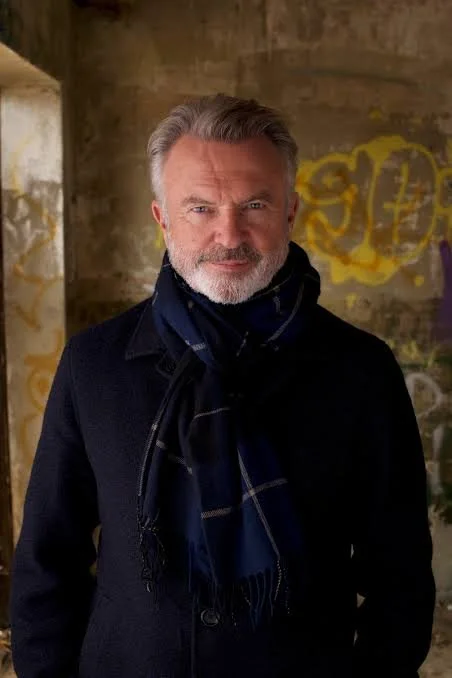
Remembering Sam Neill (1947-2026)
I saw the Instagram post announcing Sam Neill’s death three minutes after it was published and once the shock wore off, I felt something that surprised me.
Grief.
How could this man we all know and love be gone? Forever?
A few moments later, I caught myself. I did not personally know Sam Neill. I had no idea what he ate for breakfast, what made him laugh when nobody was watching, or what stories he told the people he loved.
Was I mourning the passing of a familiar face who had accompanied me through decades of my own life?
The outpouring of grief since Sam’s death tells me I am far from alone. Across continents, people have described the same unexpected feeling. They knew Sam Neill only through screens, yet his death felt oddly personal.
Watching his more recent interviews, from The Assembly to Australian Story, I found myself trying to understand what made Sam Neill so deeply loved. I wondered whether I was searching for something familiar in his face. Perhaps it was the way he smiled, the way he carried himself, the kindness that seemed to sit beneath everything he said.
When I spoke to my sister about it, she said, “he reminds me of Dad”. My father died from cancer almost ten years ago. He never stood on a red carpet or appeared on a screen (and he certainly didn’t have Sam’s Hollywood looks or hairline!), but he had something in common with the star I had watched. A warmth that made people feel seen. Humour, wisdom, and a wry smile, too.
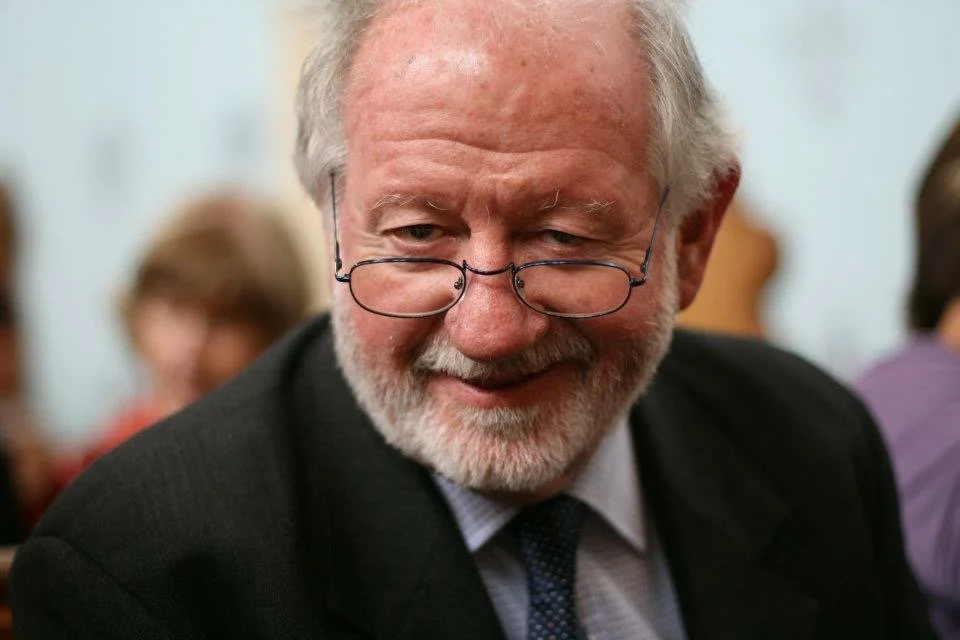
My Dad
Died in 2017, aged 66
Sam Neill’s death reminded me that sometimes we are not only mourning the person who has gone, but the memories they bring back.
He became a way of measuring time, and as we know, time moves in only one direction. The actors we watched when we were young grow older. The parents who introduced us to those films grow older. We grow older too. The people and places we once thought would always be there become memories.
We watched Neill before we understood the weight of the stories he was telling. The Hunt for Red October, Jurassic Park, The Piano—blockbuster films that became attached to our own memories of rainy afternoons at the cinema, family movie nights, conversations with friends, moments from versions of ourselves we can no longer return to.
Then there were the films that felt closer to home. The Dish. Hunt for the Wilderpeople—they reminded us that fame had not carried him away.
We know public figures are strangers, yet they become woven into our emotional lives. Their faces thread through childhood, first dates, family holidays, Sunday afternoons on the couch. Sam Neill mattered because he was present while our own stories unfolded. Remembering him means remembering ourselves, and the people beside us as we grew.
Sam continued working well into his seventies, allowing younger generations to discover him while those who had loved him for decades felt that familiar recognition. There was something comforting about seeing him continue to appear on our screens. He showed us that a person could age and evolve while still remaining unmistakably themselves.
His appeal came from the way he allowed people to see the person behind the career. He spoke about feeling like an imposter, about being a shy child with a stutter, and about moving from the UK to New Zealand unsure of where he belonged. Even after decades of achievement, he seemed surprised by it all. Success had not erased self-doubt; it had simply taught him to live alongside it.
Sam Neill represented the possibility of living an extraordinary life while staying connected to ordinary things. He spoke with genuine affection about New Zealand and Australia. He valued being able to walk into a local café, order a coffee and simply exist without the weight of celebrity surrounding him. He was both someone we admired and someone who felt familiar.
There is a helplessness in mourning someone who never knew our name. We cannot send flowers. We cannot sit beside his family. We return instead to the stories they leave behind, and to the people they remind us of.
Sam Neill brought back memories of people I have loved and lost and maybe that’s why his death felt personal. I was not only mourning Sam. I was mourning the past and everyone he brought back.
Is there someone famous you mourned? Or someone who reminded you of someone you loved, or of a time in your life that was particularly pivotal? Join the conversation on Substack.
Kylie
x