[Un]reasonably outraged about experience being rebranded as “outdated”

wise or outdated?
Technology has moved on but human nature stays the same
Photo by Fredy Jacob on Unsplash
When I was in my mid twenties, working as an HR manager, I was obsessed with what made people tick. I saw the full spectrum of workplace behaviour. The politics, the posturing, the quiet achievers who kept the whole machine running while others took the credit. How could I forget the tea lady (already an outdated concept when I worked there) who treated the stationery cupboard like Buckingham Palace, herself the Queen, reigning with a key and a glare. In that role, I learned what stressed people out (not having a pen that works!) and what drove them (an unlocked stationery cabinet where management trusted they could be adults and not take more than they needed!). She made a double-sided sticky note feel like the Crown Jewels.
I also saw firsthand how much morale could tank when people felt unseen or undervalued.
Those years were my training ground in human nature. It wasn’t wisdom then, because I was still understanding my place in the world and had some of my own experiences, successes and failures to live.
Two decades on I’ve raised four incredible humans (well, am still raising!), reinvented myself as a freelance writer to survive a corporate world hostile to mothers, written novels and children’s books, and shared my voice on panels and in front of audiences. I have navigated life’s many plot twists and gained perspective I didn’t have at twenty eight, when I left corporate life to have my first child. I’ve developed empathy, pragmatism, and a wicked sense of humour about how ridiculously little any of us control. And yet, when I step into professional spaces now, that hard-won experience is often met with polite dismissal.
Apparently, because I haven’t worked full-time in an office cubicle since flip phones were a thing, I have no idea how today’s workforce operates.
I get it. Our culture worships the new. And if I’m completely honest, I probably dismissed a woman in her fifties when I was in my twenties, because, I too, (shamefully) considered her opinion obsolete. In a world obsessed with innovation and disruption, experience is framed as a liability. Ever been told to take anything off your resume that dates you or it? The unspoken message is if your insights were formed before Slack or TikTok, what could you possibly know that still matters?
There’s a quiet tyranny in the idea that we must ‘keep up’ to remain credible. Newer can equal better but sometimes it’s just noise. Strangely, we encourage young people to seek mentors, but simultaneously erase the credibility of anyone over forty-five who isn’t still climbing the corporate ladder. Wisdom, apparently, ages like milk, not wine.
I want to tell my kids, my nieces, my nephews just starting in the workforce that you don’t have to know everything. You have to (begin to) know yourself and what your core values are, and find a job that matches. That advice may sound old-fashioned, but it’s more useful than any app or trending management theory.
My skills and education are too old.
When I investigated a PhD in creative writing, I was told my arts degree from the nineties was “too old”. I swallowed shock and tried to put a case forward that critical thinking, cultural awareness, and empathy don’t have an expiry date. It was agreed that my education certainly informed the work I did now, but it couldn’t be added to an application if it were to be seriously considered.
In that degree, I learned how to think, how to question, compare, connect, and contextualise. I deciphered what was important, then translated it into coherent writing across subjects from linguistics to children’s literature to Third World development (an outdated term, yes). This was training for the mind, not a job manual. I also survived science students writing ‘Arts Degrees please take one’ above the toilet rolls.
And now in a season ruled by AI and algorithms, the ability to discern and interpret is more vital than ever.
Yet, it’s dismissed as irrelevant. Critical thinking? Apparently optional. Maybe that’s half the world’s problem? (Dare I mention many of the anti-vaccinators and Trump supporters here who could polish up their critical thinking skills?)
Perhaps the real issue with acknowledging wisdom is that it can’t be monetised quickly. It demands time, patience, and curiosity. None of which fit neatly into a productivity app or a profit and loss sheet.
I’ve been out of the corporate world for long enough that my kitchen gossip skills might need refreshing (although I’ve run my own business for two decades and hear lots of author chitchat!), but human nature hasn’t changed. People still crave respect, belonging, and recognition. They still get defensive when threatened, struggle with ego, and seek purpose beyond the paycheque.
Those human truths are not archaic. I like to think they’re fiercely and gloriously wise.
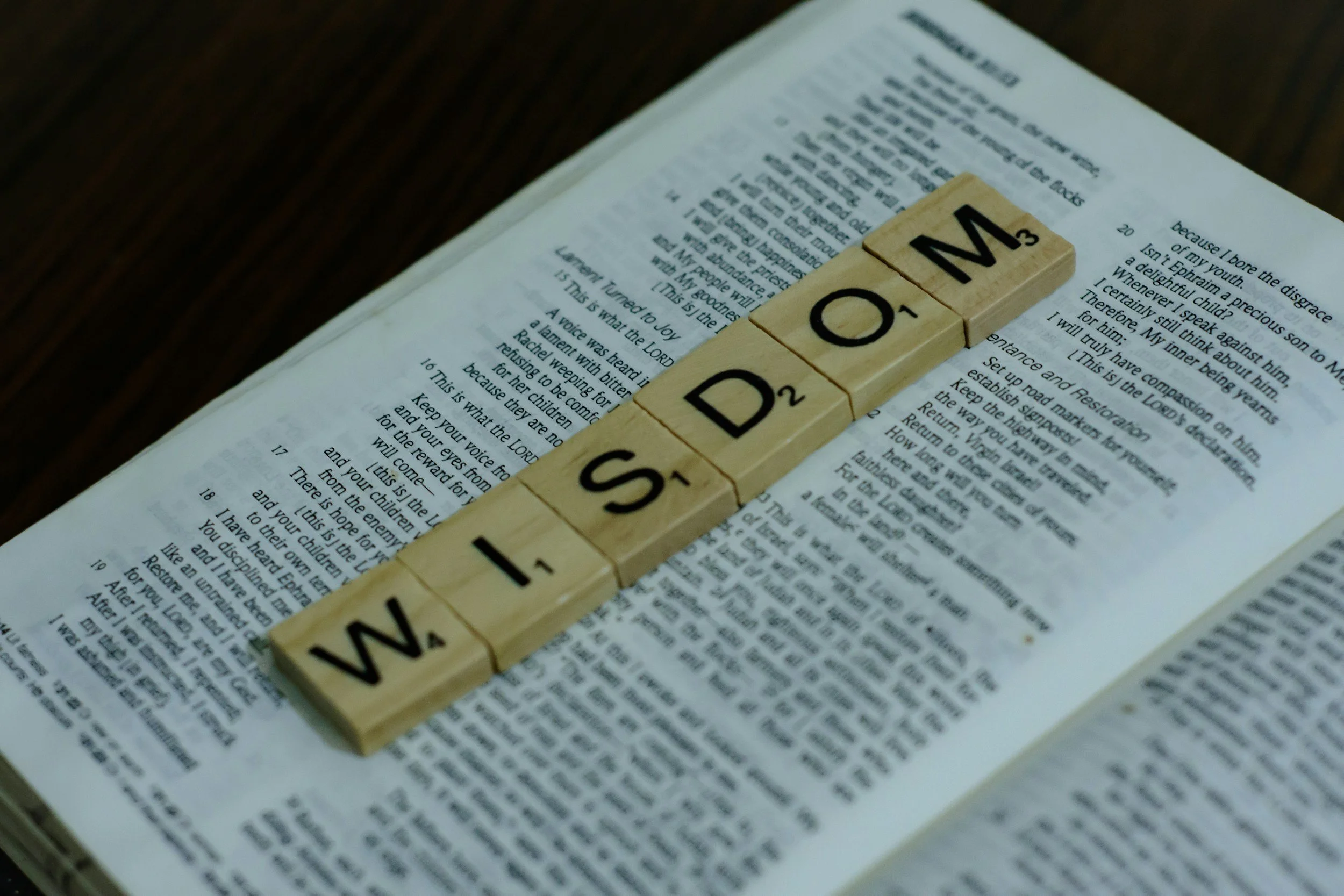
I’m fifty now. The world may not roll out a red carpet for women with Arts Degrees and twenty years of writing experience, plus decades of life experience, but wisdom is a lens through which life becomes clearer if you’re willing to look. It doesn’t announce itself. It’s the pause before reacting, the question before judging, the choice to listen instead of lecture. It’s seeing patterns instead of moments. To me, it’s the stuff that survives the office politics, the pointless meetings, and yes, even the tea lady.
If I could rewrite the HR manuals, I’d add one line: Don’t mistake age for irrelevance or speed for intelligence.
The people who’ve lived, failed, learned, and adapted are the ones who understand the whole picture. They’ve seen cycles repeat, ideas recycled, and trends reborn. And they still know how to sneak the last Post-it from the stationery cupboard without fearing for their life.
Have you ever felt your experience or knowledge was dismissed? Join the conversation.
Kylie
x