Manuscript assessment vs developmental edit: which is best?

Draft 41,253,000
One of the many drafts of my first novel, Someone Else’s Child. (Notice the original title deleted…)
If you’re a writer staring down the barrel of a messy first draft (or even a polished fifth), you’ve probably hit that moment where you think, what the hell do I do now? Is it ready? Or maybe it’s closer to: how on god’s sweet earth do I fix this thing?
When I wrote my first novel, Someone Else’s Child, I had no clue what I was doing. Had an idea, sat down, and wrote. It was an IKEA cabinet put together without instructions, missing about forty bolts. It could barely stand on its wobbly structure and although the general look was passable, any reader digging deeper would have wondered where all the drawers and shelves were.
So, I started looking into professional editing services to help me. Again, I was clueless about which way to go, so I’m going to make it easy for you! The right one depends on where you're at in the writing process and how you like to work. Let’s break it down.
What is a Manuscript Assessment?
A manuscript assessment (also called an appraisal or editorial report) is a big-picture read of your draft. Think of it like a professional book club discussion with someone who understands:
Story structure
Character development
Genre expectations
Emotional impact
The goal is to help you see your manuscript the way a publisher, agent or experienced reader might.
You’ll receive a written report (usually around 2,000 words) covering:
Whether the plot holds together
If the pacing lags or lands
Whether your characters are distinct and believable
How your voice connects with readers
What’s working, what needs attention, and where to go next
You won’t receive in-text edits or grammar corrections. This is a zoomed-out view of your story’s architecture.
A good manuscript assessment honours your voice. It doesn’t rewrite your work, it helps you see what’s strong, what’s missing, and what comes next.
When I studied editing through the RMIT Professional Writing and Editing Associate Degree, I wrote a paper on the role of an editor. I still come back to this quote:
Good editing doesn’t impose. It listens, nudges, questions.
What’s a Developmental Edit?
A developmental edit (also known as structural editing) goes deeper. This is hands-on work inside the manuscript.
The editor might:
Restructure scenes
Suggest cuts or additions
Ask questions about motivation and arcs
Flag dialogue or description that’s not pulling its weight
You’ll receive:
A marked-up manuscript
Tracked changes
Comments and editorial notes
Some writers thrive on this level of collaboration, especially after a manuscript assessment. Others prefer to revise solo first, then bring in this kind of support.
The golden rule? Don’t jump into a developmental edit if you’re still figuring out the bones of your story.
A manuscript assessment is designed to guide you through that phase. It can save you time, money and heartache.
So Which One Do I Need?
Here’s a simple guide:
You’ve just finished your draft or it’s been sitting in a drawer:
Start with a manuscript assessment.You’ve revised multiple times and want help shaping the finer details:
You’re ready for a developmental edit.You’re emotionally attached and unsure what to cut or keep:
A manuscript assessment will give you clarity.
What should an editor or assessor be like?
In a word: respectful. You’re handing over something vulnerable. A professional editor will treat it with care.
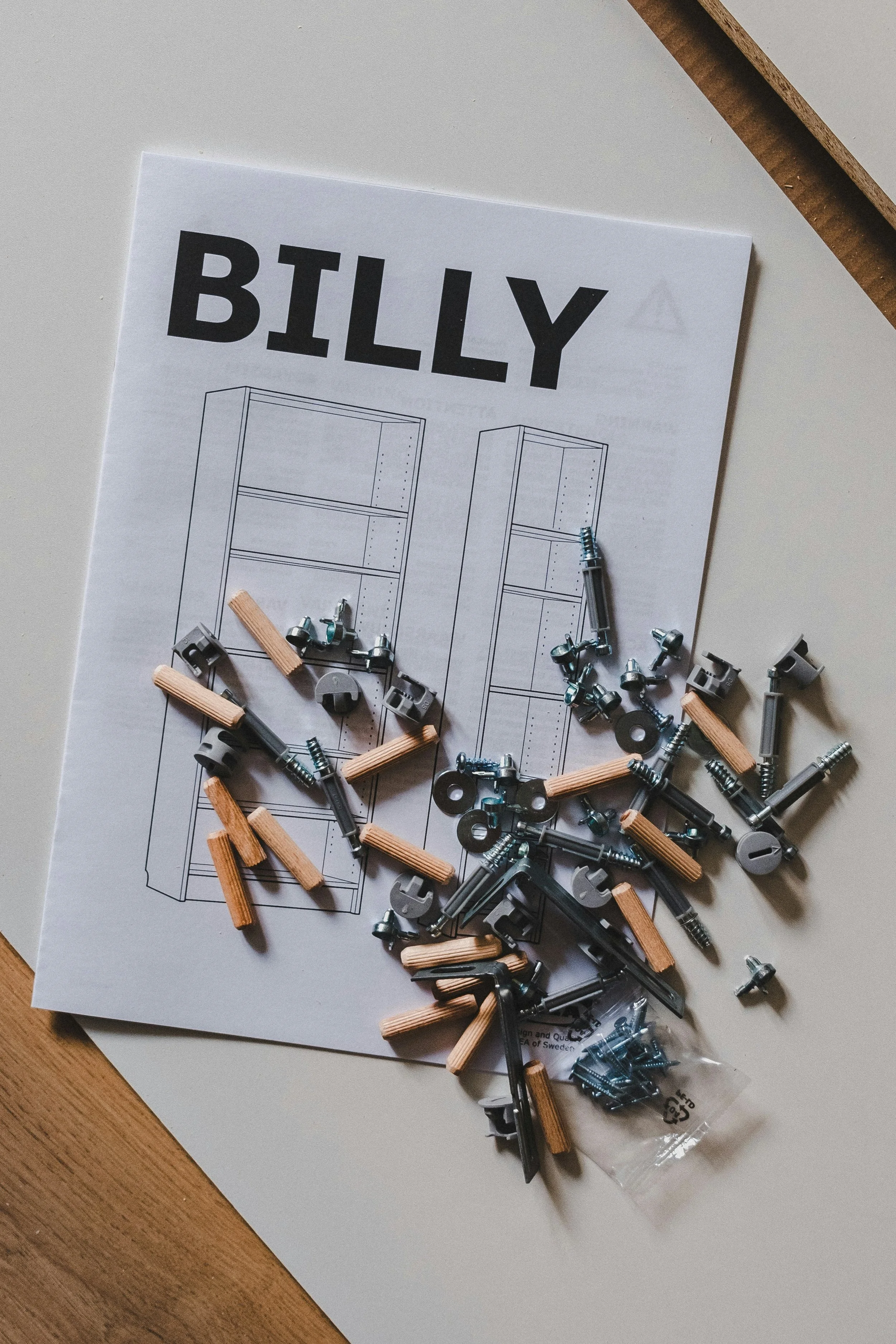
Photo by Semyon Borisov on Unsplash
How do I see my role? Do no harm. You want someone honest but thoughtful. Someone who understands your genre, honours the story and the voice, and doesn’t try to turn your romantic suspense into a literary memoir.
But you also want someone who knows that heavy-handed feedback too early is like kicking over your half-built IKEA cabinet. It doesn’t help you fix it, it just makes you want to shove all the bloody pieces back in the box.
Final Thoughts
Editing isn’t about ego. It’s about elevation. And a manuscript assessment is often the most empowering place to begin. It gives you a clearer sense of what your story is, where it shines, and what needs scaffolding.
Truth be told, I jumped into a developmental edit way too soon. I paid for a detailed, thoughtful report and ended up rewriting my manuscript from three points of view down to one. It wasn’t a waste, but it was premature.
What I needed first was someone to say, here’s what’s working, here’s what still needs structure.
So if you’re standing at the edge of your draft wondering what to do next, wondering if it’s ready, or how on earth you’ll fix it, maybe this is your sign.
Or maybe you just need a shopping trip to IKEA?