[Un]reasonably outraged by self-defence classes for women

Photo by Sarah Cervantes on Unsplash
Earlier this month, a friend and I took a women’s self-defence course. It was subsidised by a local community group through a grant awarded in response to the Samantha Murphy case.
I went in expecting to feel empowered. I thought I’d leave stronger, safer, more prepared. Instead, I left angry. Not at the instructors (they were kind and practical), and not at the other women (we were all there because we had to be). I was angry that women still need self-defence training just to exist in public. Angry that being safe still often means being silent. Angry that male violence is treated like something women have to navigate, instead of something men are responsible for not committing.
One “tip” from the course stuck with me in a particularly sour way. We were advised not to offend men who invade our space. For example, if a man puts his arm around your waist without consent, we were told to discreetly peel back his little finger and spin out of his grip. Then, as he recoils with an "ouch," that’s our cue to say, “Oh, I’m so sorry, did I hurt you?”
My friend rightly asked why we should apologise instead of just telling him to f*ck off. The instructors said we could of course do that, although many women lack the confidence to be so upfront, and they also explained that calling someone out publicly could provoke retaliation later, like in a carpark. So if a man touches us, corners us, or makes an unwanted comment, we’re meant to think twice before confronting him?
Let that settle in.
We’re taught to tone down our responses to harassment to avoid provoking further violence. We’re told to be careful when defending ourselves because men might become dangerous. That advice might keep us alive, but it also reinforces something toxic: that men’s reactions are inevitable, and women’s safety depends on managing them.
That’s what really frustrates me. Self-defence doesn’t make women powerful. It makes women compliant in a world that refuses to hold violent men accountable.
Of course, it’s useful to know how to break a wrist hold or throw an elbow, but the fact that we have to spend time, money, and emotional energy preparing to protect ourselves from people who should just leave us alone shows how broken things are. We don’t teach men not to intimidate women. We don’t focus on preventing harassment. We focus on helping women survive it.
This feeling of being unsafe is not a fringe issue. Around two in five Australian women have experienced violence since the age of 15. Nearly 90% have faced some form of verbal or physical harassment in public. These aren’t isolated events, they’re the norm we’re told to prepare for. We treat it like a fact of womanhood. Avoiding eye contact. Texting a friend when we get home. Silently calculating whether it’s safe to speak up while being harassed. This isn’t empowerment. It’s survival.
(As a side note, in Australia, carrying weapons for self-defence is illegal in most cases. That includes pepper spray, tasers, and even tactical pens on keychains. It’s why we make do with what we can, like holding our keys between our fingers, just in case.)
The man making someone uncomfortable probably isn’t thinking about the risk he poses. The woman, on the other hand, is scanning. What do I say? Will this escalate? Should I smile and pretend it’s fine? Do I look afraid? Am I overreacting? If I push back or call it out, will he follow me later?
That’s not a healthy dynamic. That’s a warning sign of a culture that still centres male comfort over female safety.
I’m so over the “not all men” catchphrase. It’s lazy. It lets men off the hook, even the “good” ones. Being a good man means speaking up, stepping in, holding others accountable. Too many don’t. And when a woman assumes a man is harmless and he’s not, the consequences can be severe. So women live in a kind of risk-assessment loop, constantly gauging threats, adjusting behaviour, and absorbing the emotional cost of keeping ourselves safe.
I’m done being told it’s my job to manage the threat of male violence. Done with being expected to stay quiet, stay small, while the real problem goes untouched. Why is the violence so widespread in the first place? We’re told to protect ourselves, not to question the systems that make that protection necessary. We’re expected to tiptoe around fragile egos because asserting our right to feel safe might make someone snap.
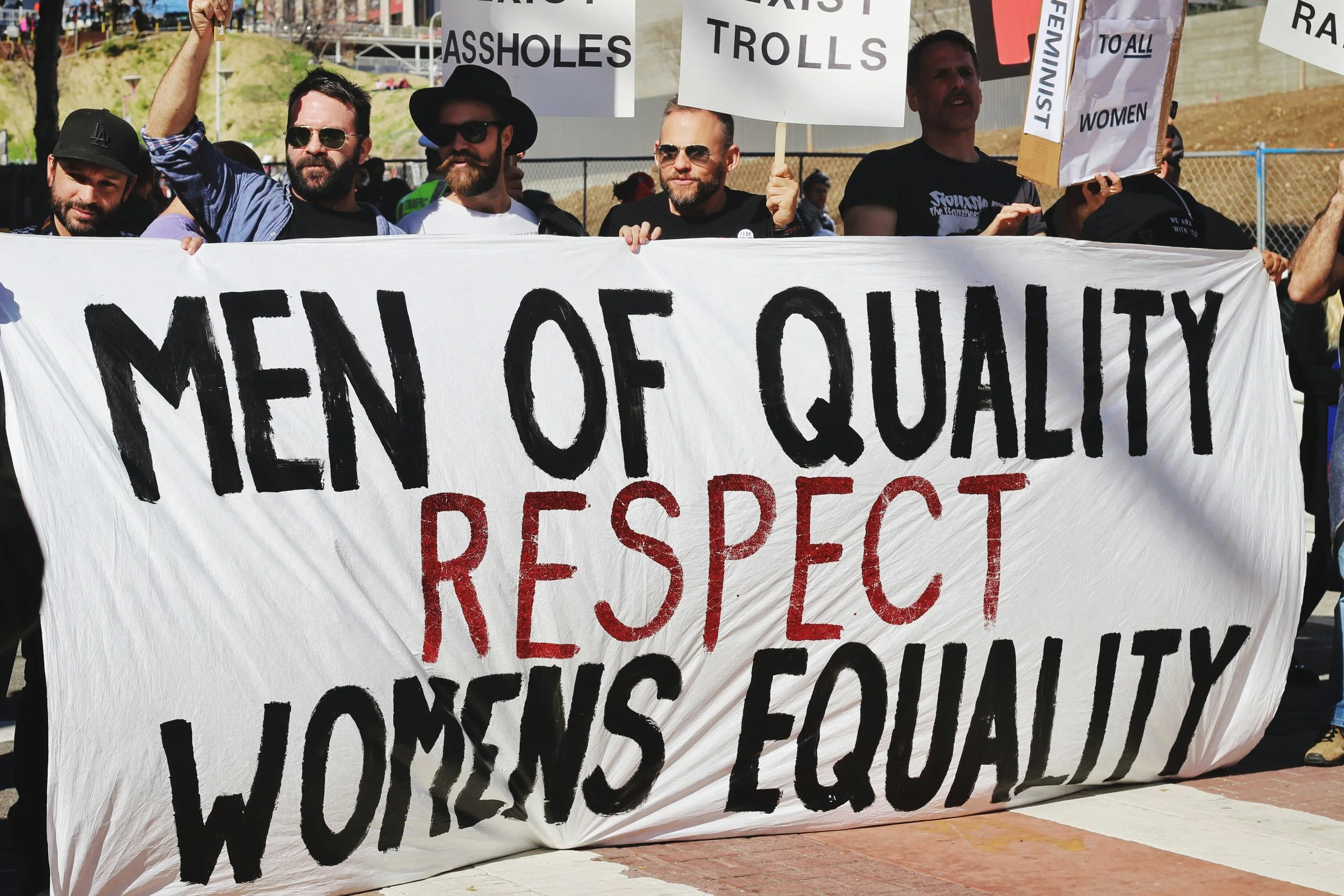
Photo by Samantha Sophia on Unsplash
We need to stop framing violence against women as a women’s issue. It’s not. It’s a men’s issue. And it won’t be fixed with self-defence classes, whispered warnings, or polite evasions. It needs better education, real accountability, and a cultural shift that starts with boys and continues through adulthood.
So yes, I’ll keep the techniques I learned in that class. They might come in handy. But learning to defend myself doesn’t make me feel free. It makes me more aware of how little freedom I actually have. And that’s not something I’m going to accept quietly.
What do you think? Join the conversation.
Kylie
x