[Un]reasonably outraged by the Loopholes and Limits of Australian Health Insurance

As our family grew, I considered private health insurance more times than I can count. Now, as a family of six, I could probably fill an entire bookshelf with the quotes and policy brochures I’ve collected over the past twenty years.
Every time, I’d plug our details into the endless comparison sites, decode mountains of jargon, and come to the same conclusion: it wasn’t a cost we could justify. So, we went without it.
Instead, we’ve relied on Australia’s public health system—a system I’m genuinely grateful for. Access to world-class facilities and medical expertise without a six-figure bill is something many countries can only dream of.
But lately, it’s getting harder to ignore the widening cracks.
Hospitals are overstretched. COVID backlogs, staffing shortages, and relentless burnout have pushed our health system to the brink. Emergency departments are no longer places you go for urgent care unless you’ve packed snacks, a charger, and the stamina for an overnight ordeal. A three-hour wait has ballooned into eight or more. Elective surgeries have become "whenever we can fit you in" and mental health services are drowning under relentless demand.
I have enormous sympathy for the healthcare workers trapped in this pressure cooker. They are doing extraordinary work with shrinking resources.
Recently, our 19-year-old son ruptured his ACL during a football practice match. A devastating injury that ended his season before it began, and one that requires surgery.
Fortunately, he was classified as a Category 1 patient in the public system, meaning his consultation came through relatively quickly. Sitting in the waiting room, surrounded by people limping, wincing, and silently enduring, it was impossible not to wonder how many had been living like this for weeks or months already, desperate for relief, unable to work or even function at a basic level.
We saw the specialist after two hours (a triumph, by today’s standards) and were met with the grim reality: the wait for surgery would be several months. And there was no guarantee that date would stick.
The polite suggestion was to “look into private options".
So, we did.
The cost of private surgery? Upwards of $10,000 and that’s assuming no complications. This is better than I thought and have heard horror stories of $40K for knee replacements and the like. And I don’t begrudge the fee, because it is a specialist skill that has taken years to master.
The advantages? Choosing our surgeon, setting a date, and the luxury of a confirmed booking unlikely to be cancelled at the last minute.
The disadvantages? The money, obviously. And maybe the surgeon’s bedside manner—and his alarming fondness for blue corduroy suits.
At the end of the day, our son is young, active, and has many years of sports ahead of him. We bit the bullet and chose to pay out of pocket. (Side note: bullet-biting should absolutely come with a Medicare rebate or free dental.)
Yes, Medicare offers a partial rebate, but the gap between what Medicare covers and what surgeons, anaesthetists, and hospitals charge has stretched so far it barely feels like the same conversation.
And then came the so-called safety net: compulsory sports insurance.
Every player in the league must have it. Sensible enough until you read the fine print.
The policy proudly advertises coverage "up to $2,500."
Helpful, you might think. Until you realise it only applies to non-Medicare rebateable items.
Here’s what that actually looks like:
Surgeon’s fee: $3,200
Medicare rebate: $800
Out-of-pocket gap: $2,400
You’d expect the insurance to step in and help with that $2,400 gap.
It doesn’t. According to the Australian Health Insurance Act, insurers cannot reimburse any service partly covered by Medicare, even the "Medicare gap" amount. WTF?
Oh, and there’s an excess too deducted from your first payment for non-Medicare claims. After that, they’ll generously reimburse 75% of eligible costs, up to the capped limit.
Eligible costs? A handful of physio appointments. Some medical aids. Maybe part of a hospital stay—just none of the people who actually operate on your injury.
In reality, the insurance barely scratches the surface of the true financial burden. It’s the equivalent of being handed a band-aid when you’re haemorrhaging.
Australians are caught between a crumbling public system and a private system that treats health as a luxury commodity. Insurance, rather than offering real protection, often amounts to little more than marketing spin wrapped in fine-print exclusions.
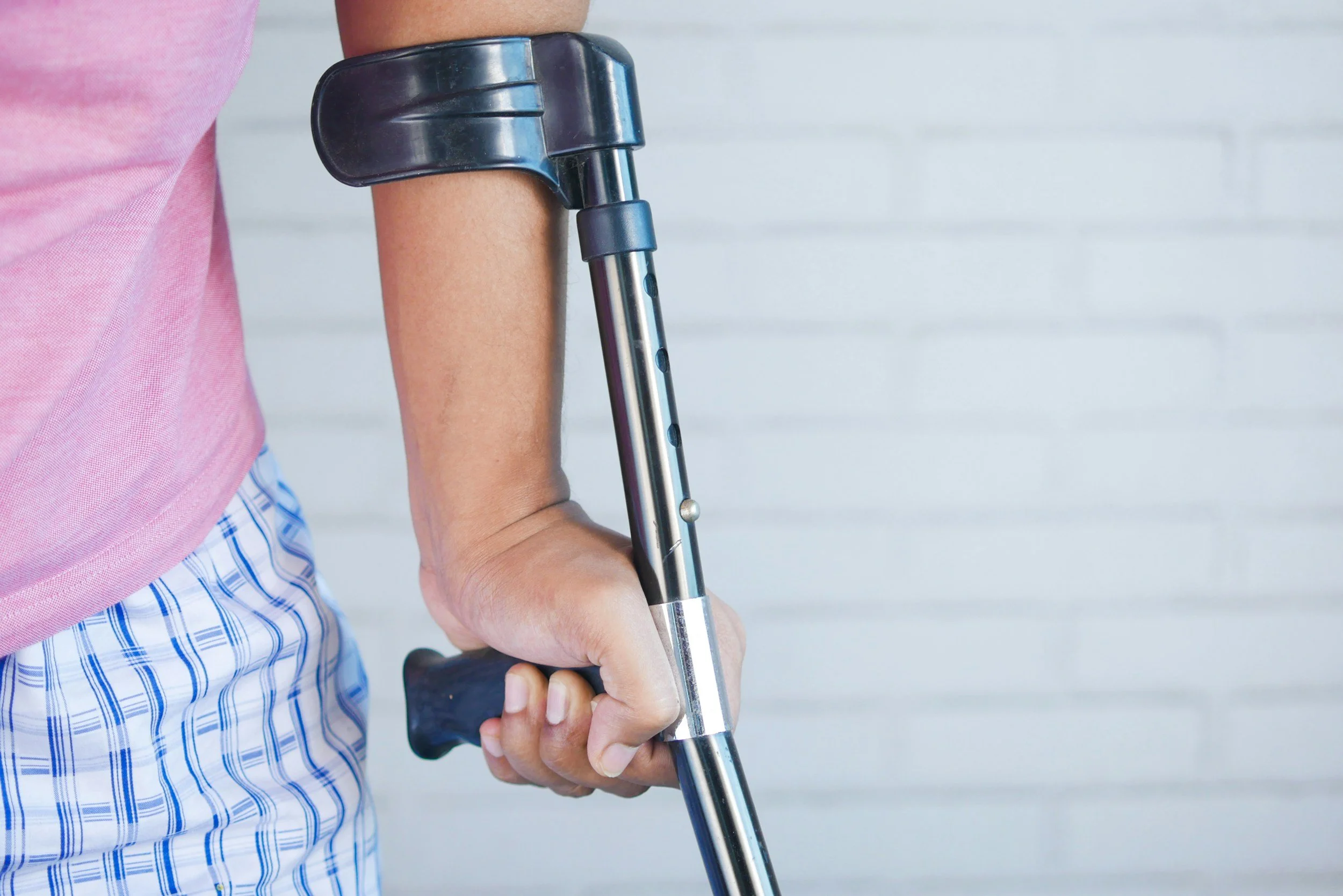
When private insurance pays for crutches but not the surgery you needed them for, something is deeply broken.
Yes, we are lucky to have a public health system at all—many countries don’t. But it's infuriating to see how many gaps have been allowed to widen, and how the private insurance and sports insurance industries thrive in those gaps, offering expensive "solutions" that don’t fully solve anything. If you purchase insurance, there should not be a gap. Between the private insurer and Medicare, the bill should be covered.
So yes, I am [un]reasonably outraged.
When we’re expected to swallow a system stitched together with good intentions, bureaucratic jargon, and loopholes big enough to drive an ambulance through and private insurance pays for crutches but not the surgery you needed them for, something is deeply broken.
What have your experiences been with private insurance?
Kylie
x